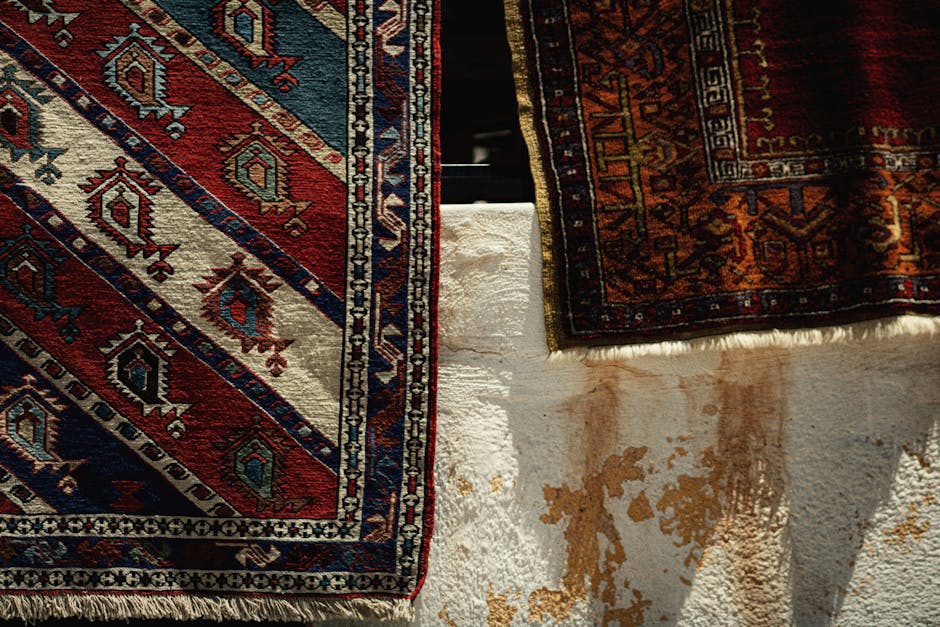
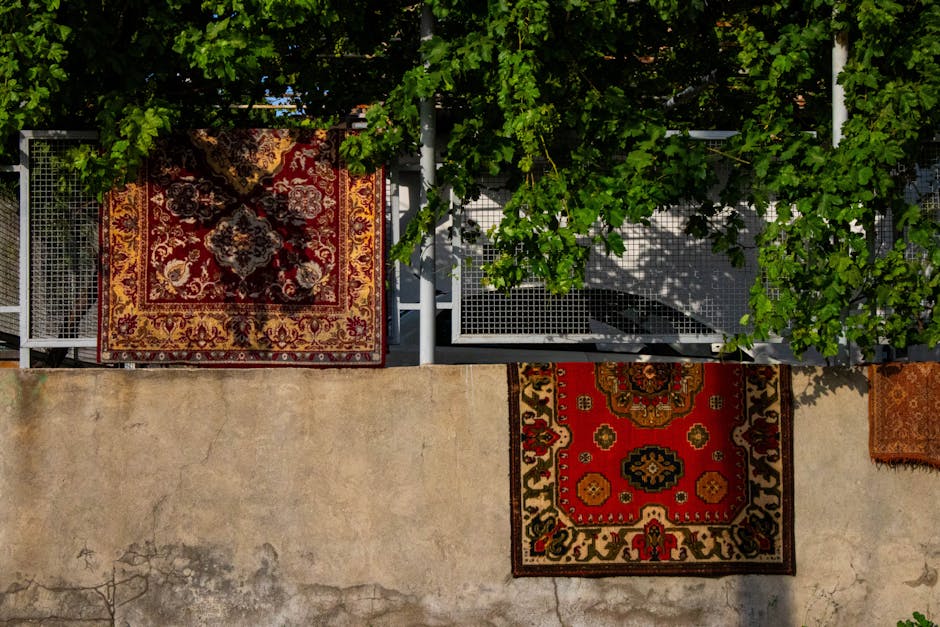
Highbury rug cleaning before and after case study
If you have ever stared at a tired-looking rug and wondered whether it can really be brought back, you are not alone. A proper Highbury rug cleaning before and after case study is useful because it shows what changes in the real world, not just in theory. It gives you a sense of what a professional clean can do to stubborn marks, dull fibres, pet odours, and that general "lived-in" look rugs pick up over time.
This guide walks through the process in a practical way: what gets assessed first, how the cleaning method is chosen, what results to expect, and where the limits are. It also explains when rug cleaning makes sense, how to avoid damage, and why the before-and-after comparison matters if you are trying to judge value rather than just price. Truth be told, rugs can be a bit dramatic. One spill, one rainy week, one muddy pair of shoes, and suddenly the whole room feels off.
For readers who want the service details first, you can explore the broader rug cleaning service in Highbury and related options such as targeted stain removal or pet stain and odour removal. This article focuses on the "before and after" side so you can understand what changes are realistic and what a careful clean should actually achieve.
Table of Contents
- Why Highbury rug cleaning before and after case study Matters
- How Highbury rug cleaning before and after case study Works
- Key Benefits and Practical Advantages
- Who This Is For and When It Makes Sense
- Step-by-Step Guidance
- Expert Tips for Better Results
- Common Mistakes to Avoid
- Tools, Resources and Recommendations
- Law, Compliance, Standards, or Best Practice
- Options, Methods, or Comparison Table
- Case Study or Real-World Example
- Practical Checklist
- Conclusion
- Frequently Asked Questions
Why Highbury rug cleaning before and after case study Matters
The value of a before-and-after case study is simple: it turns an abstract promise into something you can judge. A rug can look "a bit dirty" in everyday light, but once it has been professionally assessed and cleaned, the contrast often reveals much more than surface dust. You notice flattened pile lifting, colour returning, and patchy traffic areas looking more even again.
In Highbury homes, rugs often sit in busy rooms where shoes, pets, food spills, and daily foot traffic all leave their mark. In flats and shared households, the issue is often compounded by limited space and the tendency to delay cleaning until a stain becomes impossible to ignore. A case study helps you understand how a rug responds to the treatment rather than guessing from a sales page.
It also matters because rugs are not all the same. Wool, synthetic blends, hand-knotted pieces, viscose, and natural fibre rugs can all behave differently when moisture, heat, and cleaning chemistry are applied. A good before-and-after example shows the importance of choosing the right approach for the material. That is the sort of detail most people only learn after a mistake. And that can be expensive.
Another reason this topic matters is confidence. If you are deciding between replacing a rug or cleaning it, a well-documented result can help you weigh up the real value. A deep clean will not magically turn every rug into new stock, of course, but it can often make a far bigger difference than people expect. You end up with a cleaner room, a fresher smell, and less visual clutter underfoot. Small thing, big effect.
How Highbury rug cleaning before and after case study Works
A proper rug cleaning case study usually starts before any machine is switched on. The cleaner inspects the rug for fibre type, dye stability, pile condition, edge wear, and existing damage. This matters because the wrong treatment can cause colour bleed, shrinkage, or stiffness. The inspection stage is not just a formality; it shapes the whole clean.
Next comes soil identification. That sounds technical, but it is basically about figuring out what is in the rug. Loose dust, dried food, body oils, pet contamination, tracked-in grit, drink stains, or smoke residue all respond differently. A rug with dry soil and a rug with greasy traffic marks do not need the same plan. One size never really fits all here.
In many cases, a specialist will use a combination of dust extraction, pre-treatment, controlled agitation, spot treatment, and a carefully managed wash or steam process where suitable. If a rug is delicate, a lower-moisture method may be safer. If the fibre can handle it, a deeper wash may be used to flush out embedded soil. The after-result depends on matching the method to the material, not just on how powerful the equipment is.
Drying and grooming are the final part, and they matter more than people realise. A rug that is cleaned well but dried poorly can end up smelling musty or drying unevenly. Grooming can also restore the look of the pile so the fibres stand more naturally. That is where the "after" photo gets its polish, but it is not cosmetic fluff; it is part of the finishing process.
If a rug is part of a broader home refresh, the cleaning may sit alongside house cleaning or deep cleaning work. That combination is common when a room needs a full reset rather than a single isolated tidy-up.
Key Benefits and Practical Advantages
The first benefit is obvious: a cleaner rug looks better. But the practical advantages go beyond appearance. A properly cleaned rug can improve the feel of a room, reduce trapped dust, and remove the slightly stale smell that builds up in high-traffic homes. You often do not notice it until it is gone. Then it is hard to unsee, or un-smell, really.
Here are the main benefits people usually notice after a professional clean:
- Brighter colour and a more even tone across the rug
- Reduced staining and better treatment of spot marks
- Improved texture, with the pile looking less matted
- Less lingering odour from pets, spills, or everyday wear
- Better presentation for guests, tenants, landlords, or buyers
- Potentially longer rug life when grit and residue are removed properly
There is also a timing advantage. If you clean a rug before the soil becomes deeply embedded, you often preserve the fibres more effectively. That means less abrasion over time. In practical terms, it can help a rug stay usable for longer, which is one reason cleaning often makes more sense than replacement.
For landlords and tenants, the benefit is often presentation and compliance with expectations at the end of a tenancy. For households, it is more personal: the room simply feels calmer and more cared for. A fresh rug has a way of changing the whole mood of a space, even when nothing else in the room has moved an inch.
Who This Is For and When It Makes Sense
This kind of rug cleaning case study is useful for homeowners, tenants, landlords, Airbnb hosts, and small businesses that use rugs as part of their interior presentation. If the rug is in regular use, near an entrance, under a dining table, or in a lounge where life happens, it will collect wear fast. Especially in compact London properties, rugs take a lot of punishment without much space to spread out.
It makes sense to book a clean when:
- The rug has visible staining or dull patches
- There is a persistent smell even after vacuuming
- Pet accidents have occurred
- The rug feels sticky, rough, or matted
- You are preparing for guests, sale, rental changeover, or a family event
- You want to protect a decent rug rather than replace it too quickly
For managed properties, the rug may be part of a bigger schedule that includes regular cleaning or a one-off refresh alongside end of tenancy cleaning. For homes with pets, a clean often makes the biggest difference after repeated accidents rather than after a single event.
It is also worth saying that some rugs are simply too delicate for aggressive methods. If you own an heirloom or an expensive natural fibre piece, the correct choice may be a gentler, more conservative clean. Better safe than sorry. No one wants an enthusiastic clean that turns into a family story told for years.
Step-by-Step Guidance
Below is a practical outline of how a careful rug cleaning job is usually handled. The exact process can vary by rug type, but the logic is broadly the same.
- Inspect the rug
Check the fibre, dye, construction, backing, and any weak points. This is where the cleaner decides what the rug can tolerate. - Test for colour stability
A small test helps reduce the risk of dye migration. This is especially important on older or hand-finished pieces. - Remove dry soil
Dry dust and grit are removed before moisture is introduced. That prevents mud-like residue from forming in the fibres. - Pre-treat stains and traffic areas
Problem zones are treated individually. A food spill is not the same as a pet stain, and both differ from general grime. - Clean using the appropriate method
This might involve hot water extraction, low-moisture cleaning, controlled washing, or a specialty approach for delicate rugs. - Rinse or neutralise residues
Any leftover cleaning solution should be minimised so the rug feels soft and natural after drying. - Dry carefully
Proper airflow matters. The rug should not be folded, crushed, or left in a damp heap, because that is asking for trouble. - Groom and final inspect
The pile is reset and the cleaner checks for missed marks, residual odour, or uneven drying.
A clean case study usually compares the rug at the start and end of each stage, not just before and after the whole visit. That gives a more realistic picture of progress. Sometimes the biggest improvement happens right after soil removal, before the final rinse even begins. Funny how that works.
Expert Tips for Better Results
If you want stronger results from a rug clean, the little details matter. In our experience, the best outcomes come from preparation and restraint, not from overdoing things.
- Vacuum thoroughly beforehand so loose grit is not ground deeper into the pile.
- Blot spills quickly. Rubbing tends to spread the mark and distort the fibres.
- Avoid DIY spot testing with random household products. Some cleaners brighten one area and damage the next.
- Be honest about the rug's history. Pet accidents, bleach spots, and previous DIY attempts change the treatment plan.
- Move furniture carefully and ask about protecting nearby flooring if the rug sits on wood or laminate.
- Allow enough drying time. Walking on a still-damp rug too early can flatten the pile again.
One practical tip people miss: take a photo of the rug in good daylight before cleaning. Then take another in the same spot afterwards. The room lighting will tell a more honest story than your memory. A bit unfair to memory, perhaps, but there you go.
If the rug is part of a larger refresh, services like upholstery cleaning and sofa cleaning can help the room feel consistent, which is often the real goal. A pristine rug under a grubby sofa looks odd. The eye notices.
Common Mistakes to Avoid
Rug cleaning looks straightforward from the outside, but a few mistakes cause most of the headaches. The first is using too much water or product. Over-wetting can lead to slow drying, dye issues, or a crunchy feel in the fibres. More product does not equal more clean. Usually it means more residue.
The second mistake is treating every stain the same. Red wine, coffee, pet urine, grease, and mud each behave differently. If you attack everything with the same spray, you risk setting the stain further or spreading it around. Some stains need patience, not force.
The third mistake is ignoring fibre type. Wool, for example, is durable in many ways but can still react badly to the wrong chemistry or excessive heat. Viscose has its own issues. Synthetic rugs may be more forgiving, but even they can suffer if the backing is soaked.
Other common errors include:
- Scrubbing aggressively with a brush that damages the pile
- Skipping a test patch on delicate or dyed rugs
- Leaving the rug to dry in poor air circulation
- Using household bleach or harsh spot cleaners
- Assuming a stain is gone before the rug is fully dry
That last one catches people out quite often. A mark can look lighter when wet, then return later. Annoying, yes. But common.
Tools, Resources and Recommendations
The best rug cleaning results usually come from a combination of the right equipment and the right judgement. On the equipment side, that may include high-filtration vacuums, specialist extraction tools, stain pre-treatments, grooming brushes, and controlled drying equipment. On the judgement side, it is about knowing what not to do. That part is harder to buy off a shelf.
For readers comparing services, useful supporting pages on the site include carpet cleaning for floor fabrics more broadly, and steam carpet cleaning for jobs where hot water extraction is relevant. If the rug is part of a larger property refresh, one-off cleaning can also be a sensible fit.
Practical recommendations for readers:
- Ask what method is suitable for your specific rug type
- Check whether stain treatment is included or priced separately
- Clarify drying expectations before the work begins
- Ask how delicate fibres and fringe are handled
- Confirm whether odour treatment is available if needed
If you are still weighing up costs, the pricing and quotes page is the best place to start for a straightforward overview. For booking or service questions, the contact page is there when you are ready. That sounds simple, but clear communication saves a lot of back-and-forth later.
Law, Compliance, Standards, or Best Practice
Rug cleaning is not usually a highly regulated trade in the way some technical services are, but there are still important UK best-practice expectations around safety, honest descriptions, and responsible handling of materials. For example, cleaners should avoid making promises they cannot support, should use appropriate care around electrical equipment and moisture, and should treat customer property respectfully.
For households and landlords, practical compliance often comes down to due care. If a rug belongs to someone else, or if it sits in a rented or managed property, it is wise to document the condition before and after cleaning. That helps if there is a question later about pre-existing damage or stain removal limits. A few photos and a brief note can prevent a lot of awkwardness. Quietly useful, that.
Health and safety also matters. Wet floors, lifting heavy rugs, use of cleaning agents, and ventilation all need sensible handling. If a company has documented policies on safety and insurance, that is a positive sign. The same goes for transparent service terms and a clear complaints process if something does not go as expected.
In terms of best practice, the main principles are straightforward:
- Assess first, clean second
- Use the mildest effective method
- Protect fibres, backing, and dye stability
- Dry thoroughly and safely
- Be honest about results, especially on old or damaged rugs
If sustainability matters to you, it is also sensible to ask how waste water, packaging, and product use are handled. A cleaner result should not come at the cost of careless practice. You can read more on the company's approach via recycling and sustainability and its health and safety policy. For peace of mind on risk and property handling, insurance and safety is worth a look too.
Options, Methods, or Comparison Table
There are a few common approaches to rug cleaning, and the right choice depends on the rug rather than on preference alone. Here is a simple comparison to make the differences clearer.
| Method | Best for | Strengths | Watch-outs |
|---|---|---|---|
| Hot water extraction | Many synthetic and durable rugs | Deep soil removal, strong refresh, good for traffic areas | Can over-wet delicate fibres if used carelessly |
| Low-moisture cleaning | Delicate or moisture-sensitive rugs | Faster drying, lower water exposure | May be less aggressive on heavy contamination |
| Specialist wash | Handmade, wool, or premium rugs | Tailored treatment, careful stain handling | Needs experience and more time |
| Spot treatment only | Minor localised marks | Quick, targeted, cost-conscious | Won't restore the whole rug if overall soil is the issue |
The method comparison matters because "before and after" is not only about visible stains. A rug can look cleaner but still be structurally at risk if the wrong technique was used. That is why you should treat method selection as part of the result, not a hidden detail.
For properties with broader cleaning needs, the same thinking applies to related services like domestic cleaning, move-in cleaning, or move-out cleaning. The right method depends on the objective: tidy, reset, present, protect.
Case Study or Real-World Example
Here is a realistic example based on a typical Highbury rug clean. A medium-sized living room rug had visible darkening in the main walking route, a dull patch under the coffee table, and a faint pet odour near one corner. The owner had already vacuumed it regularly, but the rug still looked tired and slightly uneven in colour. Classic "it's not terrible, but it's not good either".
Before: the pile was flattened where people crossed the room most often. A light cream section had gone greyish in the centre. One old drink mark had faded into a larger shadow rather than disappearing completely. The rug was still structurally fine, but it was dragging the whole room down.
Assessment: the rug was checked for fibre sensitivity and tested in a small area. The cleaner identified embedded dry soil, a local stain, and mild odour retention. Because the rug could tolerate a controlled wash, the process focused on pre-treatment, soil release, and careful drying rather than heavy saturation.
During cleaning: the dry soil came out first, which already changed the feel of the fibres. The pre-treatment lifted some of the darker traffic marking. The odour issue was addressed with a targeted approach rather than masking fragrances, which is usually the smarter move. Nobody wants a rug that smells like "fresh linen" on top of "wet dog".
After: the rug looked lighter, the contrast returned to the pattern, and the pile stood more evenly. The old drink mark did not vanish completely, which is an honest limitation worth noting, but it was far less noticeable. The odour was reduced significantly, and the room felt cleaner as soon as the rug dried properly.
What changed most:
- The centre traffic lane was visibly brighter
- The pile looked fuller and less compressed
- The room had a fresher smell without perfume-heavy masking
- The rug read as "well cared for" instead of "past its best"
That is the real power of a good before-and-after case study. It does not pretend perfection. It shows improvement that matters in daily life. And often, that is enough to make keeping the rug the sensible choice.
Practical Checklist
Use this checklist before booking or carrying out rug cleaning. It keeps things simple and avoids last-minute surprises.
- Identify the rug material if possible
- Note any existing damage, fraying, or weak seams
- List the stains, spills, or odours you want treated
- Take clear before photos in good light
- Move nearby furniture or ask about help with this
- Confirm the cleaning method suitable for the rug
- Ask how long drying is likely to take
- Check whether fringe, backing, or delicate dyes need special care
- Ask about odour treatment if pets are involved
- Clarify whether stain removal is guaranteed or assessed case by case
- Make sure the room has airflow afterwards
- Plan to keep foot traffic off the rug until it is fully dry
If you want a broader refresh rather than a single rug clean, think about pairing the job with curtain cleaning, window cleaning, or regular cleaning so the whole room feels balanced. Small detail, but it helps.
Get a free quote today and see how much you can save.
Conclusion
A strong Highbury rug cleaning before and after case study gives you something genuinely useful: a realistic picture of what professional cleaning can achieve, where it works best, and where expectations should stay sensible. The real value is not in perfection. It is in turning a worn-looking rug into something clean, fresh, and presentable again without rushing the job or damaging the fibres.
If you are deciding whether to clean or replace, start with the rug's condition, its material, and what outcome matters most to you. Sometimes the result is dramatic. Sometimes it is subtle but still worthwhile. Either way, a careful clean can buy time, improve the room, and save a decent rug from the skip. That's a win in anyone's book.
And honestly, there is something quietly satisfying about seeing a tired rug come back to life. It makes the room feel looked after. That matters more than people admit.
Frequently Asked Questions
What does a before and after rug cleaning case study actually show?
It shows the practical difference between the rug's original condition and the finished result after cleaning. That usually includes visible stain reduction, better colour, improved pile appearance, and any remaining limitations.
How clean can a rug realistically get after professional cleaning?
That depends on the fibre type, age, stain history, and previous DIY attempts. Many rugs improve a lot, but not every mark can be removed completely. Honest expectations matter more than hype.
Will rug cleaning remove pet odours completely?
Sometimes it will, sometimes it will only reduce them significantly. If the contamination has reached the backing or underlay, a more targeted odour treatment may be needed.
How long does a rug take to dry after cleaning?
Drying time varies with method, rug thickness, room airflow, and humidity. A lighter synthetic rug usually dries faster than a thick wool or natural fibre piece.
Is steam cleaning safe for all rugs?
No, and that is where people can go wrong. Some rugs tolerate hot water extraction well, while others need a gentler low-moisture or specialist method.
Can old stains still be improved?
Often yes. Old stains may not disappear fully, but they can frequently be lightened or made less noticeable. The result depends on what caused the stain and how long it has been there.
Should I vacuum the rug before the cleaner arrives?
Yes, if you can do so safely. Removing loose dust and grit helps the cleaning process work more effectively and reduces unnecessary abrasion.
What should I do if my rug is delicate or handmade?
Tell the cleaner before the job starts. Handmade and delicate rugs need a cautious assessment, and sometimes a gentler method is the only sensible option.
How often should a rug be professionally cleaned?
That depends on usage. Busy family homes, pet households, and rental properties often need more frequent attention than low-traffic rooms. Regular vacuuming helps, but it does not replace periodic deep cleaning.
Is rug cleaning worth it compared with replacing the rug?
In many cases, yes. If the rug is structurally sound and the issue is soil, staining, or odour, cleaning is often far more cost-effective than buying new.
Can a rug be cleaned as part of a full property refresh?
Absolutely. Many people combine rug cleaning with other services such as deep cleaning, house cleaning, or one-off cleaning to get a more complete result.
What should I ask before booking rug cleaning in Highbury?
Ask about the cleaning method, drying time, stain treatment, odour removal, and whether your rug type needs special handling. A good cleaner should answer clearly and without making unrealistic promises.